A golf course can look deceptively simple from a visual perspective, yet the eyes constantly move between bright fairways, shaded areas, distant targets, and reflective surfaces. Polarized golf sunglasses can change how glare is managed during a round, but their value depends on more than simply making the surroundings darker.
Lens polarization, UV protection, color, frame stability, and visual coverage all affect how eyewear behaves outdoors. At YIJIA Optical, we consider these factors together because sports eyewear should respond to the actual visual conditions created by movement, sunlight, and extended outdoor use.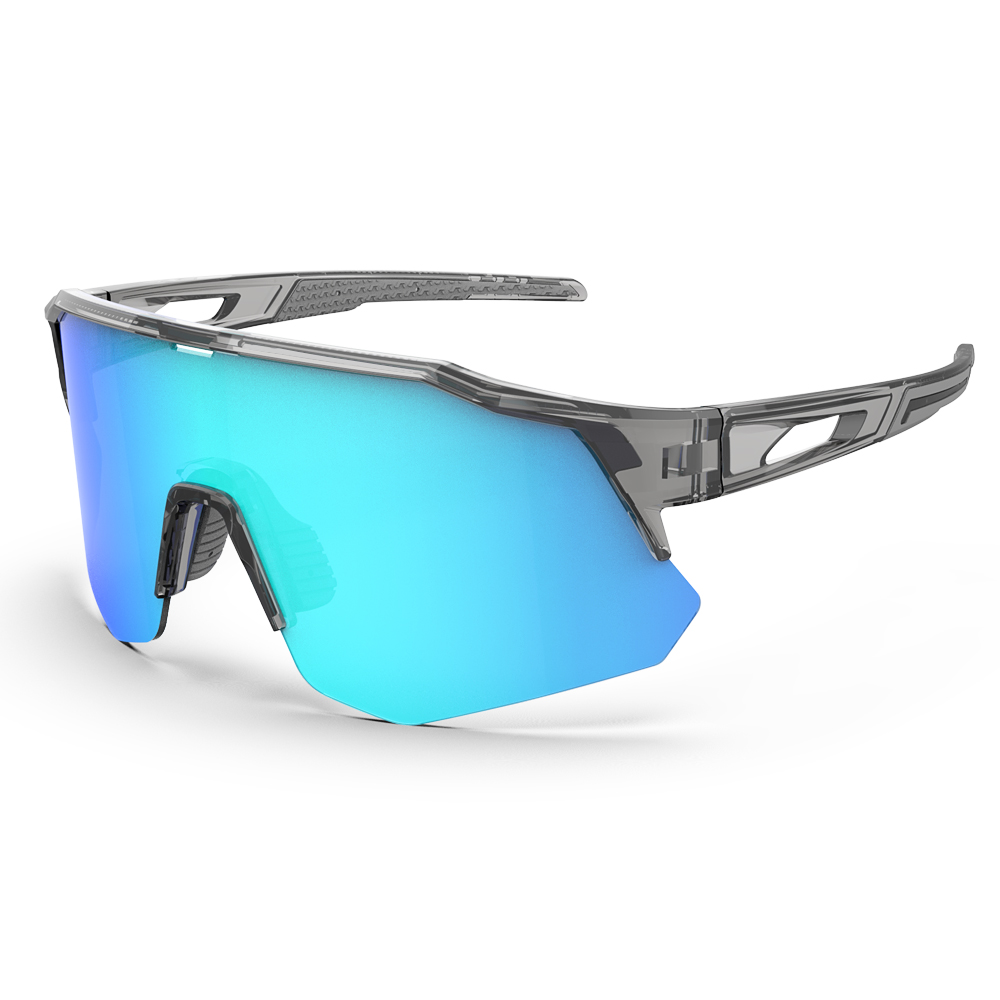
Golf requires repeated shifts between near and distant viewing. A player may look down at the ball, scan the fairway, follow a shot through the air, and then assess terrain several dozen meters away. Ordinary sunglasses can provide basic brightness reduction, but their optical characteristics may not be suited to every part of this sequence.
Reflections from grass, water hazards, sand, vehicles, and nearby structures can introduce unwanted brightness. Polarized baseball sunglasses address a similar outdoor problem because athletes in both sports may encounter intense reflected light while tracking objects across an open field. The underlying optical principle remains useful across different activities even though the visual tasks themselves are not identical.
Color perception also deserves attention. Excessively dark lenses can make shaded areas harder to distinguish, while an appropriate tint can moderate brightness without making the course appear unnecessarily dim. The best lens choice depends partly on the intensity and consistency of the available light.
Polarization is designed to reduce certain forms of reflected glare rather than simply darken the entire scene. On a sunny golf course, that distinction can become noticeable around water and other reflective surfaces, where scattered brightness may interfere with comfortable viewing.
A pair of polarized golf sunglasses may be particularly useful during long outdoor sessions because reducing distracting glare can make bright surroundings feel more manageable. However, polarization should not be treated as a substitute for UV protection, suitable tint selection, or appropriate optical quality. Each function addresses a different aspect of outdoor vision.
There can also be situations in which polarization is less important. Golfers playing during low-light conditions or under heavy cloud cover may have less reflected glare to manage. In those circumstances, lens transmission and contrast characteristics may deserve more attention than polarization alone.
Frame construction becomes increasingly relevant once eyewear is used during repeated physical movement. Golf does not involve continuous running, but players walk considerable distances, rotate their heads frequently, and spend several hours outdoors. A frame that shifts easily can become distracting during swings or while following a ball.
Our YL804 OEM Half Frame Polarized Cycling Sunglasses use lightweight TR90 temples, 100% UV protection, and a half-frame construction intended for cycling, running, golf, and other outdoor sports. The model illustrates how a sports-oriented design can combine reduced frame weight with lens coverage while remaining adaptable to different applications. Its OEM format also supports customization for projects requiring specific branding or configurations.
Nose support and temple geometry influence stability just as much as frame material. A lightweight frame that does not sit securely can still move during activity, whereas a well-balanced structure can maintain a consistent lens position without excessive pressure. Facial fit is consequently a practical specification rather than merely a matter of appearance.
Although golf and baseball take place outdoors, their visual requirements are not identical. A golfer spends considerable time assessing stationary objects and tracking a ball against varied backgrounds, while a baseball player may need to follow a rapidly moving ball against the sky, stadium structures, or changing field conditions.
Polarized baseball sunglasses can help manage strong outdoor glare, but lens tint and contrast may be particularly significant when a player needs to distinguish a moving ball quickly. The usefulness of a lens depends on whether it preserves sufficient visual information while controlling excessive brightness.
Golf presents a different balance. Depth perception, surface details, and changes in terrain can matter throughout a round. A lens that provides comfortable brightness without making subtle differences in the landscape difficult to perceive may be more practical than one selected purely for its darkness or appearance.
The decision becomes easier once the actual environment is considered. Someone who spends occasional minutes outdoors may have little reason to prioritize specialized eyewear, while a person who regularly plays long rounds under strong sunlight faces a different set of visual demands.
Lens protection is one factor that should remain consistent across sports. Polarized golf sunglasses can provide glare reduction, while UV protection addresses ultraviolet exposure. These functions work independently, so checking the stated lens specifications is more informative than judging eyewear by tint or visual darkness.
Activity-specific design can also provide practical advantages without requiring a highly specialized appearance. Polarized baseball sunglasses may emphasize coverage and visual tracking, whereas golf eyewear can place greater emphasis on balanced tint, stable fit, and comfortable long-duration wear. At YIJIA Optical, we approach these differences by considering how lenses and frames interact with the environment rather than treating sports eyewear as a single category.
Regular shades can certainly provide basic protection from bright sunlight, yet extended outdoor sports introduce demands that casual eyewear may not address as effectively. Our team at YIJIA Optical views sports sunglasses through several connected factors, including UV protection, glare control, lens transmission, frame stability, and activity-specific visual requirements.
Polarized golf sunglasses can be a useful option in bright, reflective conditions, while the appropriate design ultimately depends on how and where the eyewear will be used. The same principle applies across outdoor sports: useful eyewear begins with understanding the visual task, not simply selecting the darkest lens.

