A smaller face does more than change the size of a goggle frame. Facial proportions, helmet fit, comfort, field of view, and the amount of movement during winter activities can all influence how eyewear performs on a young skier. That makes Ski goggles for kids a subject worth examining beyond simple frame dimensions.
At YIJIA Optical, we consider these practical differences when developing sports eyewear, especially where fit, ventilation, lens protection, and everyday comfort need to work together.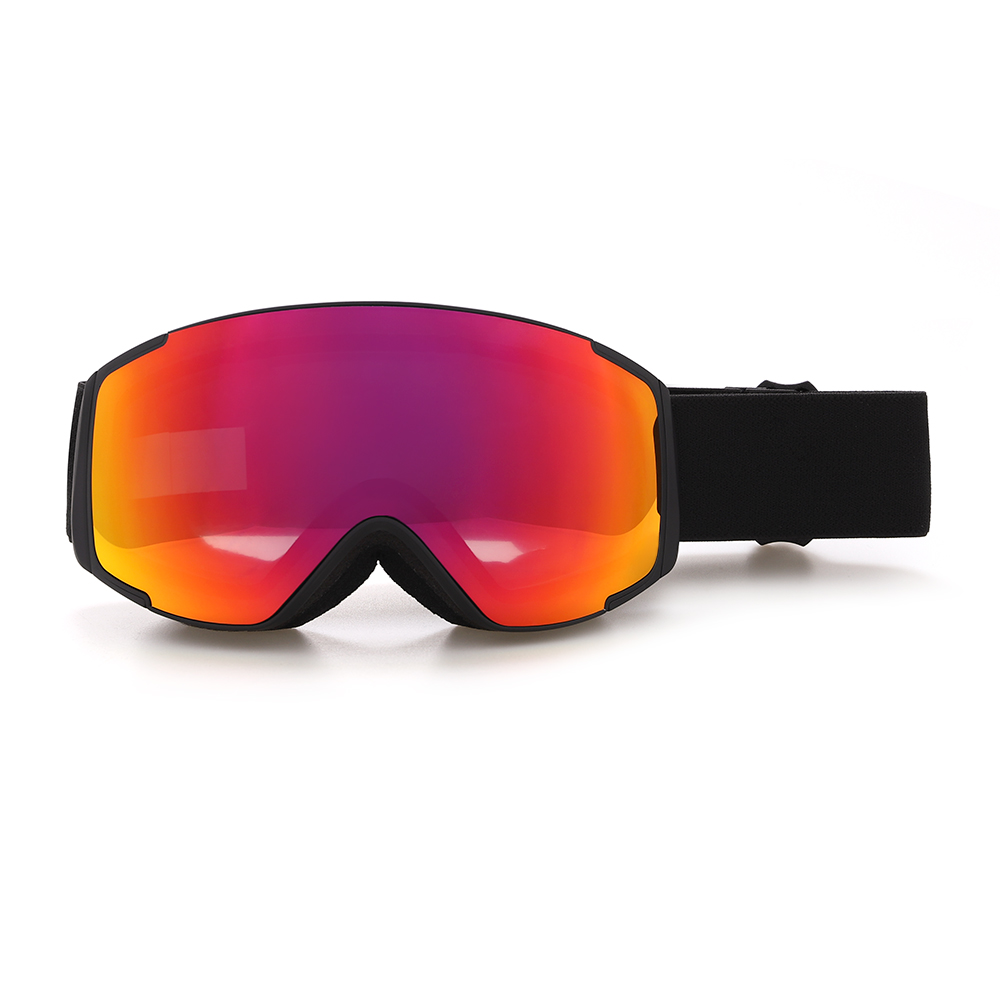
Adult goggles can feel oversized on a child even if the lens itself appears suitable. Excess space around the cheeks or nose may affect how the foam contacts the face, while an oversized frame can interfere with helmet positioning. A properly proportioned design should sit comfortably without creating unnecessary pressure.
The relationship between the goggle and the face also affects airflow. Ventilation openings need to function within the overall frame structure, while the foam should create a comfortable interface around the eyes. Poor alignment can contribute to discomfort or make fogging more difficult to manage during active use.
Age alone is not a precise measurement of fit. Children of the same age can have noticeably different facial dimensions, so measurements, frame geometry, and try-on assessment remain more useful than relying solely on an age label.
Snow reflects substantial amounts of sunlight, which makes ultraviolet protection an important consideration regardless of the skier's age. Lens construction should also provide suitable optical clarity and impact resistance for the intended sporting environment.
A useful pair of Ski goggles for kids should balance protection with visual comfort rather than simply using a darker lens. Excessively dark lenses can reduce useful visibility in cloudy conditions, while insufficient protection may be uncomfortable under strong mountain sunlight. Lens color, transmission, and weather conditions all deserve consideration.
Double-lens construction can also play a role in winter eyewear. The space between lens layers can reduce the direct temperature difference between the outside environment and the inner lens surface, while appropriate ventilation helps manage moisture produced during physical activity.
One example from our range is the YH687 kids youths ski goggles, which uses a PC clear lens designed according to children's face proportions. The lens provides HD, anti-fog, and anti-scratch functions, supporting clear vision during active winter use. The model is designed to align with the optical and impact requirements of EN ISO 18527-1, the standard for downhill skiing and snowboarding goggles.
The goggle features three layers of foam and a TPU frame composition, which together help maintain a comfortable and stable fit against the face. The strap can be stretched and customized with different logos, while packaging supports customization for brand-specific requirements.
For brands developing Ski goggles for kids, these features provide several practical elements to consider when evaluating a customized design. The frame should not be considered separately from the helmet. A goggle that works comfortably without head protection may sit differently once a helmet is added. Compatibility between the two pieces can influence pressure distribution, strap positioning, and the amount of exposed space around the forehead.
Foam construction deserves similar attention. The three-layer foam used in the YH687 can provide cushioning while helping the goggle remain comfortably positioned against the face. For younger users who may spend several hours outdoors, pressure points and warmth can become just as noticeable as lens performance.
Interchangeable lenses can be useful when skiing conditions change throughout the day. A skier may encounter bright sunlight in one period and snowfall or dense cloud later, making different lens characteristics practical for different situations.
With magnetic lens Ski goggles, lens changes can be designed around convenience, although the actual mechanism still needs to maintain secure positioning during use. The frame, lens interface, magnets, and surrounding structure should work together rather than treating the attachment method as an isolated feature.
Parents and brands should also consider how frequently lens changes will actually occur. A multi-lens configuration may be useful for families who Ski across varied weather conditions, while a simpler setup may be sufficient for occasional trips. The appropriate choice depends on usage patterns rather than the presence of a particular feature.
A comfortable goggle should remain stable without requiring excessive strap tension. Too much pressure can become distracting, while insufficient contact may allow movement or unwanted airflow. The shape of the face, foam profile, strap adjustment, and helmet interaction all contribute to stability.
Ventilation is another consideration that should not be overlooked. Young skiers can generate considerable heat during physical activity, and moisture inside the goggle can affect visibility. A well-designed airflow path can help manage the humid air produced around the face.
The concept behind magnetic lens Ski goggles can also be evaluated through the broader question of usability. Children may need assistance with lens changes, strap adjustment, or positioning, so a practical design should be straightforward for parents to handle without compromising the intended fit.
Children's Ski eyewear differs from adult equipment in ways that extend beyond smaller dimensions. Facial geometry, helmet compatibility, foam contact, ventilation, lens transmission, and ease of use all influence whether a goggle is appropriate for a young skier.
At YIJIA Optical, we use these considerations when developing and customizing sports eyewear, while the YH601A demonstrates how a child-specific PC clear lens, HD/anti-fog/anti-scratch functions, three-layer foam, and a customizable TPU frame can be combined within one design. The strap and packaging can also be customized to support different brand requirements. For brands assessing Ski goggles for kids, looking at the complete fit and functional relationship between each component offers a more useful evaluation than judging size alone.

